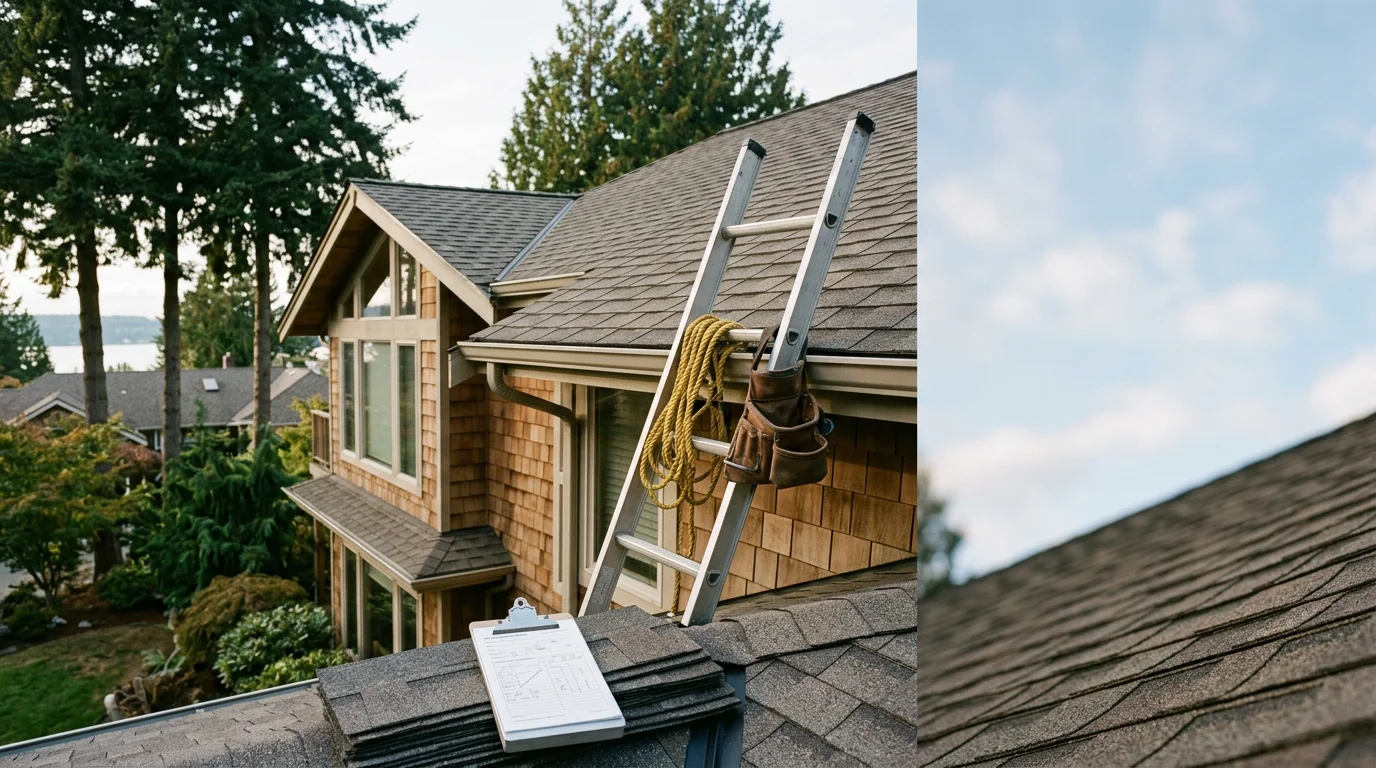
Roofing
Professional roofing services for residential homes throughout the Seattle area.
Explore Roofing
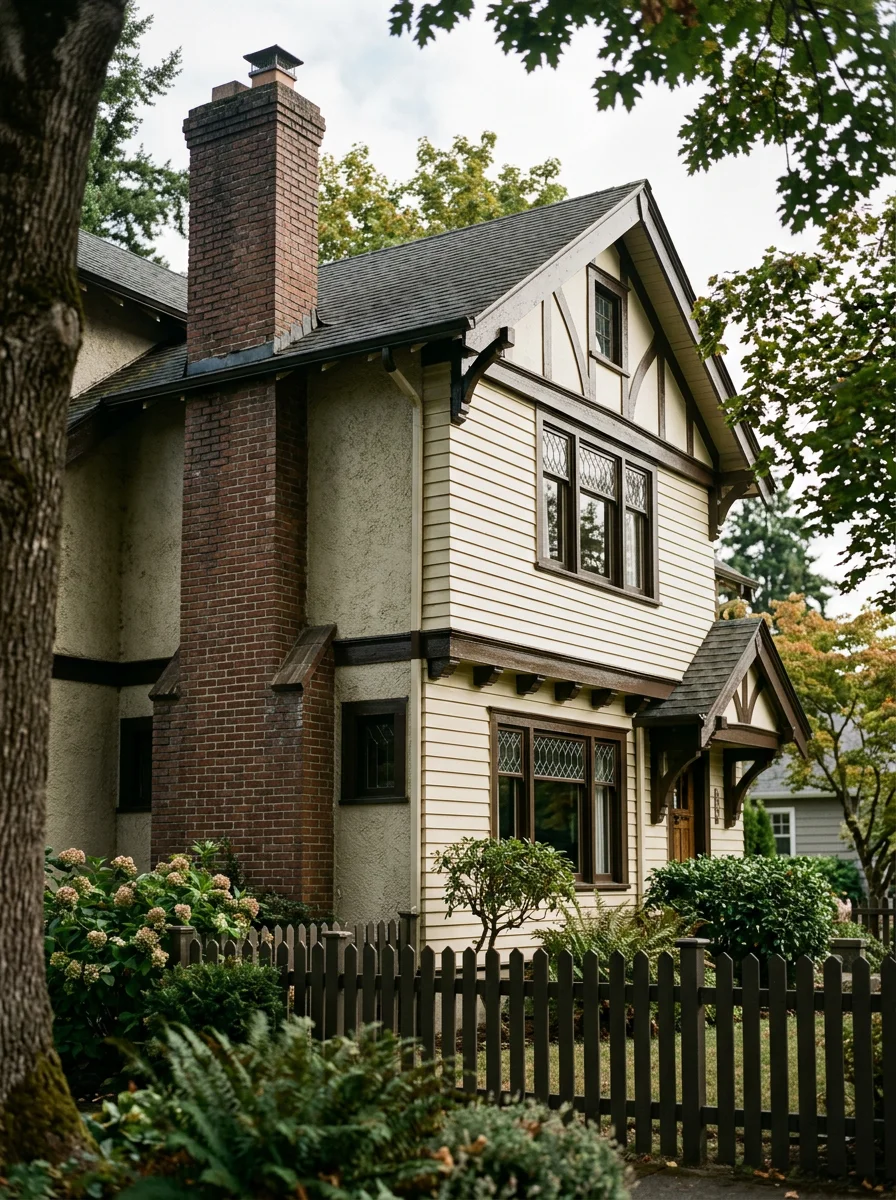
Tacoma is the South Sound's largest city and holds a housing stock that spans more than a century of architectural styles. Roughly 35 percent of homes were built before 1950, and the city's median construction year sits around 1967, placing a large share of properties deep into the major maintenance window for roofing, exterior painting, and remodeling. The North End and Stadium District hold grand Craftsman and Tudor homes with steep pitches, multiple dormers, and aging flashing, while mid-century ramblers dominate the South End and modern infill construction fills in throughout the city. Tacoma's Pacific Northwest climate brings over 43 inches of annual rain and winter humidity that drives moss accumulation on roofs, mildew on exterior paint, and siding deterioration across all housing eras.
Tacoma, WA
WA Service Area
Communities we serve
Tacoma, WA
Roofing
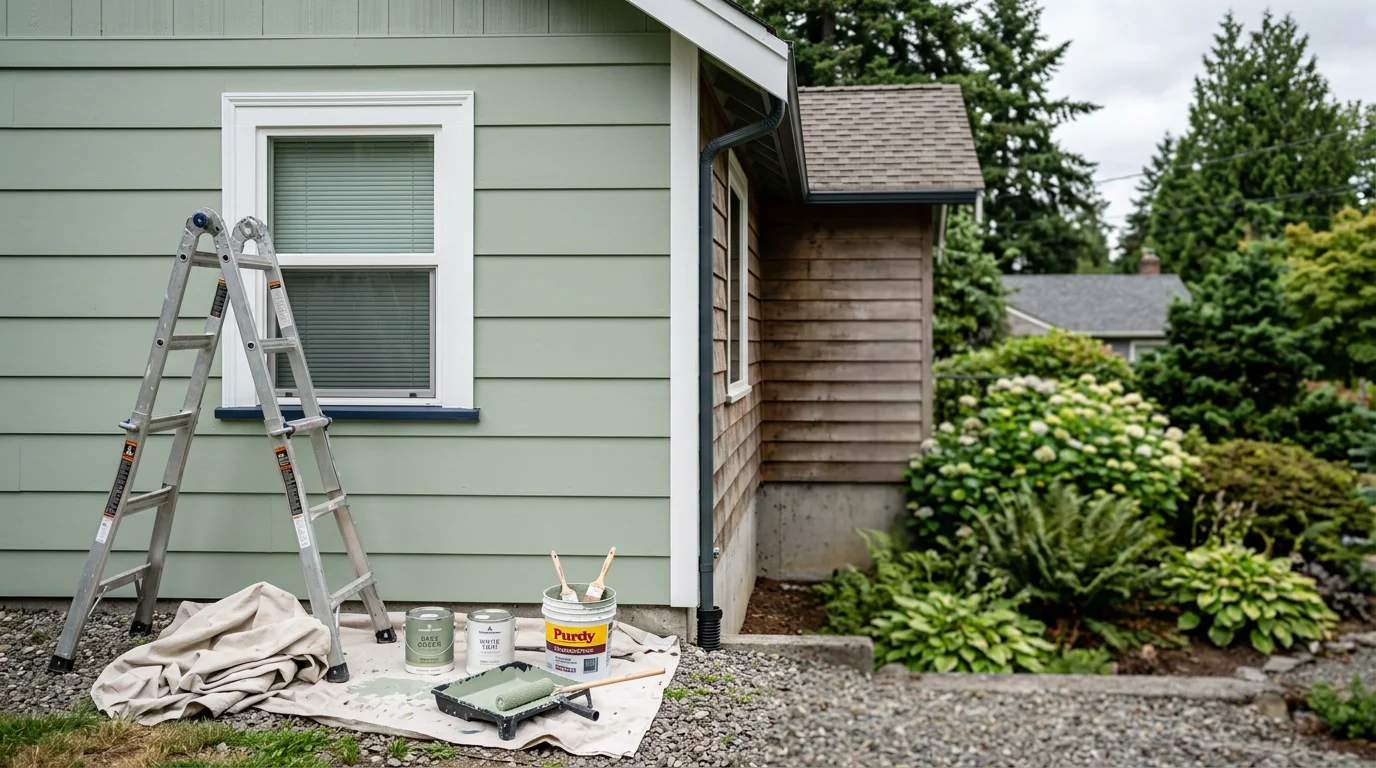
Tacoma's housing stock spans more than a century, and the demands on roofing and exterior painting differ significantly from one neighborhood to the next. The North End and Stadium District hold Craftsman and Tudor homes with steep pitches, multiple dormers, and complex valley work that requires careful attention during roofing. Mid-century ramblers in the South End have lower-pitched roofs with different drainage challenges. Modern infill construction throughout the city brings flat and low-slope sections that need membrane systems rather than composition shingles.
Tacoma's Pacific Northwest climate brings over 43 inches of annual rain and winter humidity that reaches into the high 80s percent. That sustained moisture drives moss accumulation on roofs, mildew on exterior paint, and siding deterioration across all housing eras. Roughly 70 percent of Tacoma's housing was built before 1980, and those properties have absorbed decades of these conditions. Exterior surfaces on pre-1980 homes in the North End and Hilltop often show multiple layers of old paint, wood rot at trim and soffits, and mildew that needs to be cleaned and treated before any new coating is applied.
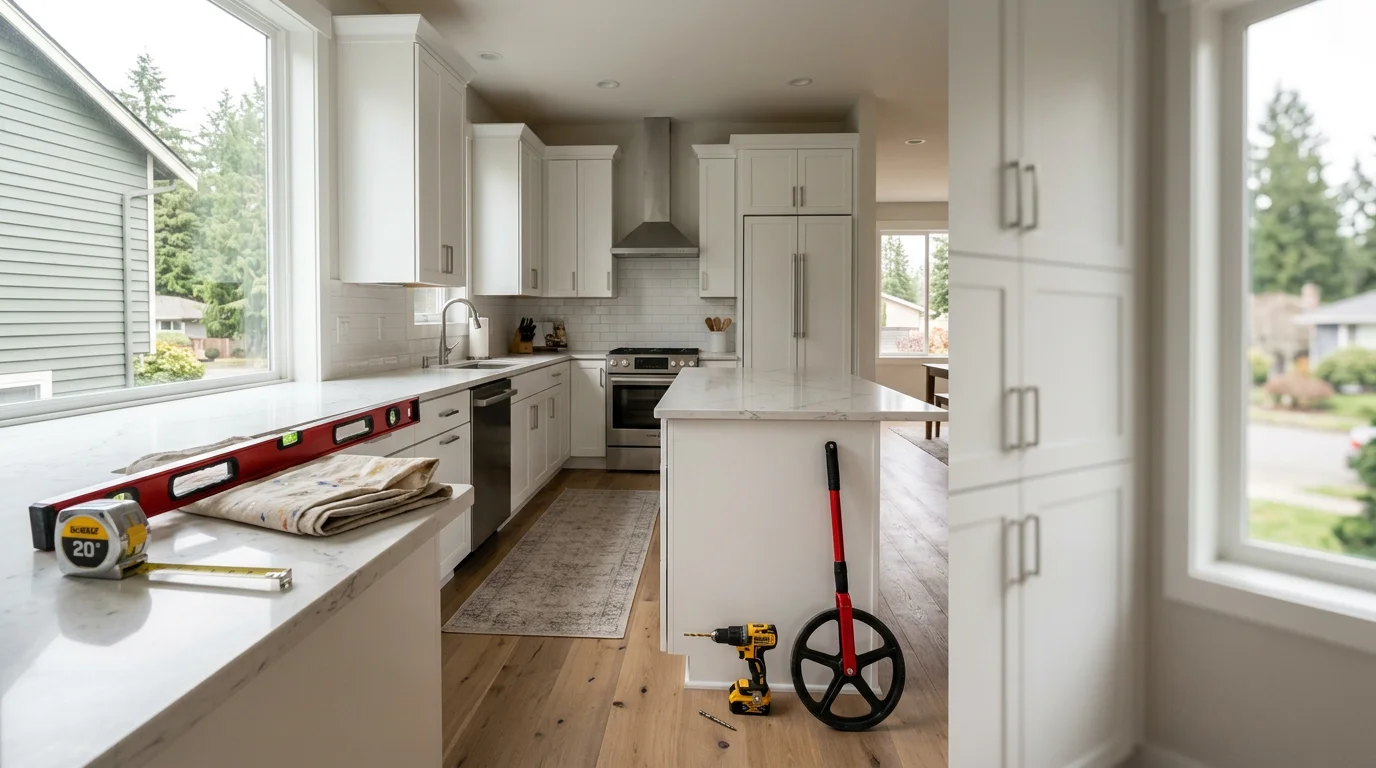
Remodeling in Tacoma's older homes frequently starts with resolving moisture intrusion from aging roofs or deteriorated exterior surfaces before interior work can proceed. Craftsman bungalows and mid-century homes in neighborhoods from Proctor to South Tacoma sometimes show water damage in walls, ceilings, and subfloor materials that has accumulated over years of slow leaking. Addressing the roof and exterior first, then the interior, is the sequence that protects the remodeling investment and avoids rework.
At a glance
Roofing is in high demand across Tacoma because the city's older housing stock, with a large share of homes built before 1950 and a median construction year around 1967, means a significant portion of properties are well into the major roofing maintenance and replacement window. Painting is equally active, particularly in the North End and Stadium District where Craftsman and Tudor homes with original wood siding and detailed trim require careful prep and moisture-resistant coatings to hold up against the South Sound's wet climate. Remodeling is a consistent need in Tacoma's older homes, where kitchens, bathrooms, and interior spaces have not been updated since mid-century construction and homeowners are bringing properties up to current standards.
Professional roofing services for residential homes throughout the Seattle area.
Home remodeling and renovation services for kitchens, bathrooms, and more.
General handyman and repair services for homes throughout the Seattle area.
Serving Tacoma, WA
Our crew knows Tacoma, WA. We will show up on time, assess the job honestly, and give you a clear written number before asking you to decide anything.
Also serving across Greater Seattle:
Common questions from Tacoma, WA customers about our services, process, and coverage.
These homes feature steep pitches, multiple dormers, complex valleys, and aging flashing that require careful assessment and skilled installation during roofing. The steep pitches increase both material and labor scope compared to lower-pitched mid-century homes, and the multiple dormers and valleys concentrate water at transition points where flashing failures most often occur. Many of these homes have also had roofing alterations accumulated over decades that need to be evaluated before new materials are installed.
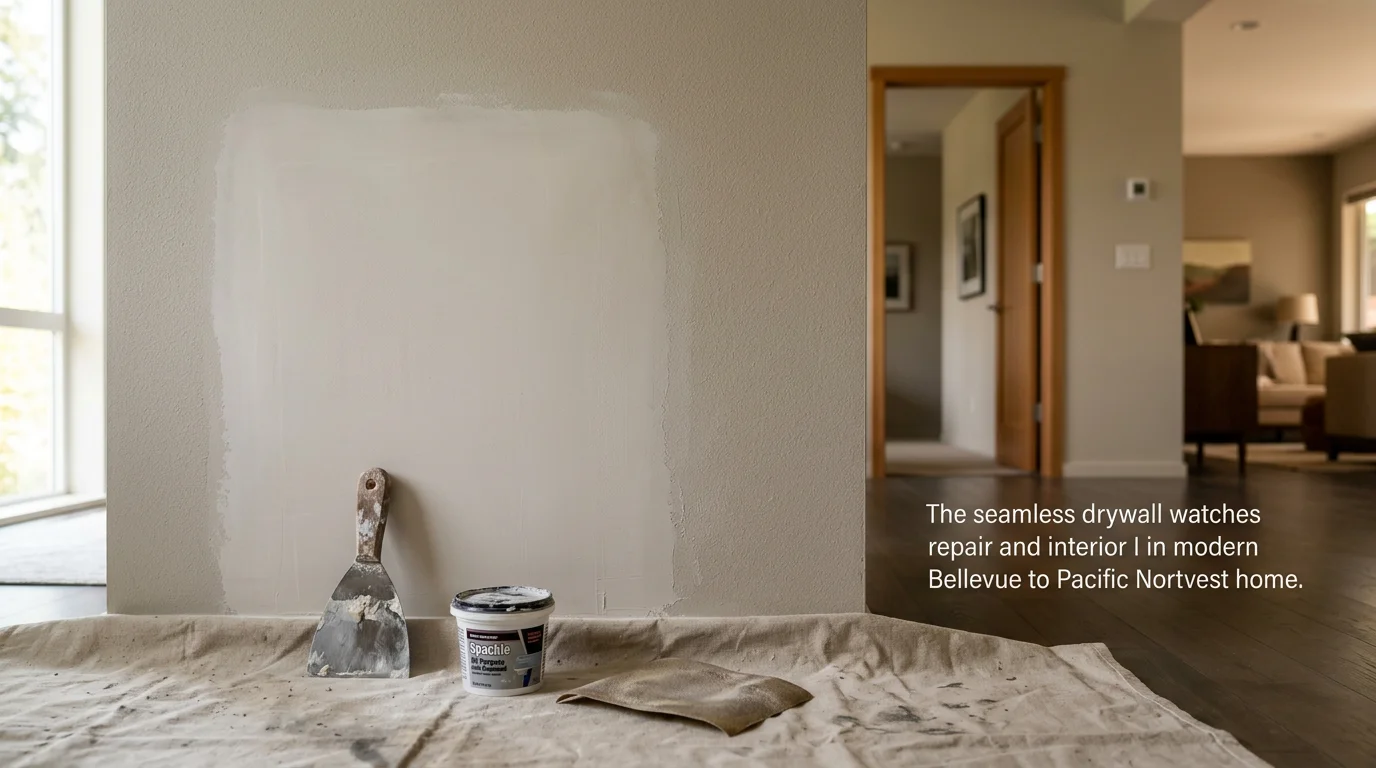
Homes built before 1950 in Tacoma frequently present conditions that need to be resolved before cosmetic remodeling can proceed. Moisture intrusion from aging roofs or deteriorated exterior surfaces sometimes reaches interior walls, ceilings, and subfloor materials. Original construction methods and materials also differ from modern standards in ways that affect how remodeling is planned and executed. Addressing the roof and exterior first, then the interior, is the sequence that protects the remodeling investment.
Tacoma receives over 43 inches of rain annually, and winter humidity that reaches into the high 80s percent creates sustained moisture exposure on exterior surfaces. On older homes in the North End and Hilltop with original wood siding and detailed trim, that moisture works behind failing paint films and causes peeling, mildew, and wood rot faster than on newer construction with modern siding materials. Thorough prep, including cleaning, wood rot repair, re-caulking, and priming, is what allows exterior paint to hold up through multiple wet seasons on these properties.
Mid-century ramblers in the South End from the 1950s through 1970s are well into the major roofing maintenance window, and many have roofing systems that are at or past the standard replacement lifespan for composition shingles. Lower-pitched roofs common on these ramblers also present drainage challenges that can accelerate wear at valleys and low-slope sections. An inspection that examines the actual condition of the shingles, flashing, and decking is the right starting point for determining the appropriate scope.
Yes, and for older Tacoma homes where all three scopes are due for attention, coordinating them in the right sequence makes practical sense. Completing the roof first protects the structure and avoids damage to fresh exterior coatings from roofing work. Exterior painting follows, addressing siding, trim, and any fascia work disturbed during roofing. Interior remodeling comes last, after the building envelope is secure and any moisture intrusion from the old roof has been resolved.
Call us directly. Real answers, no scripts.
Stop by, call, or book online — we're always nearby when you need us.
Phone
(206) 592-7468Hours