Roofing
Professional roofing services for residential homes throughout the Seattle area.
Explore Roofing
Everett is the largest city in Snohomish County and holds the most diverse housing stock in the greater Seattle area's north corridor. The city ranges from early 1900s Craftsman and Victorian homes in the Bayside and Rucker Hill neighborhoods to 1960s mid-century ramblers in North Everett to newer developments along Highway 2 and in Silver Lake and South Everett. Everett's position on Port Gardner Bay means coastal wind and marine moisture exposure for western neighborhoods, and salt air near the waterfront accelerates deterioration of roofing, siding, and exterior paint in ways not seen even a few miles inland. The city's older housing inventory, particularly homes from the 1940s through 1970s in established neighborhoods, frequently presents roofing systems approaching end of life alongside exterior surfaces that have absorbed decades of Puget Sound moisture.
Everett, WA
WA Service Area
Communities we serve
Everett, WA
Roofing
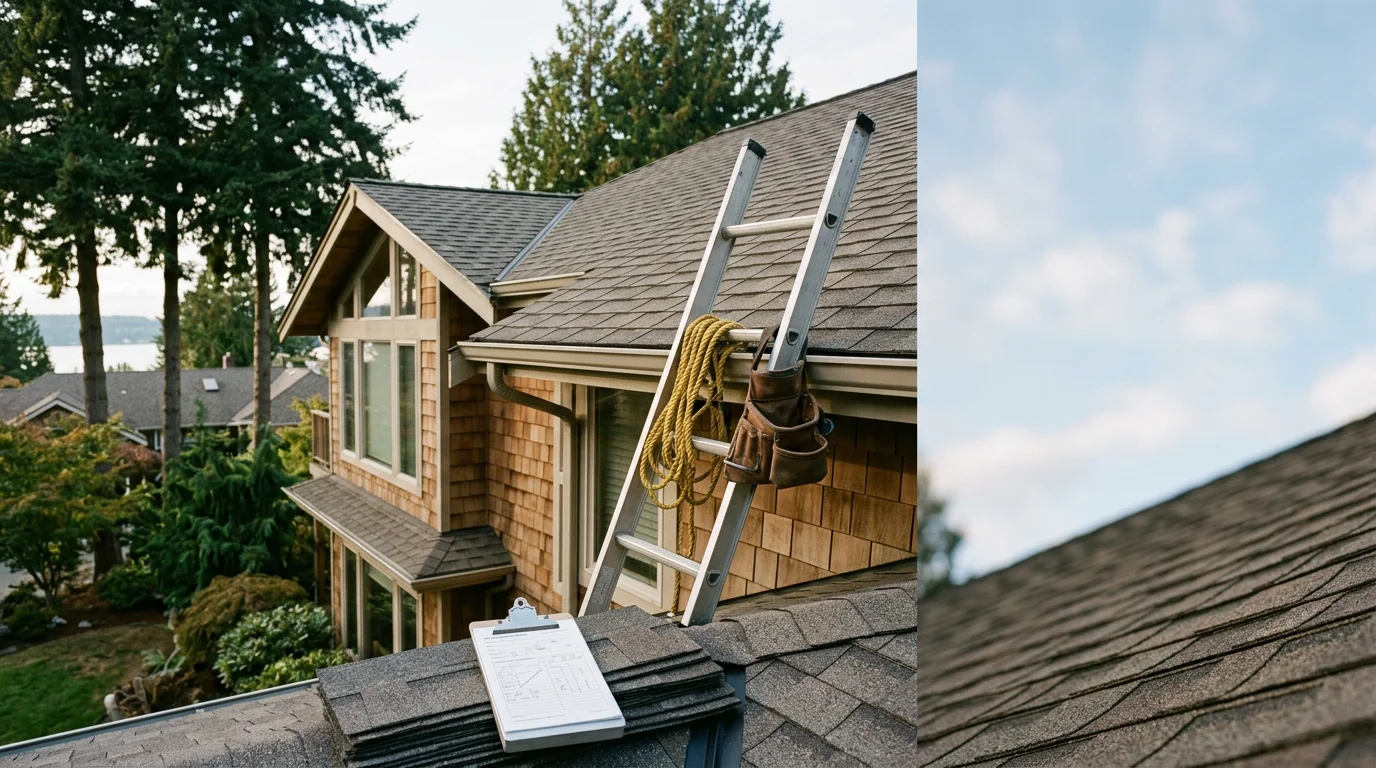
Everett's housing stock spans more than a century of construction, and each era brings different roofing demands. Early 1900s Craftsman and Victorian homes in Bayside and Rucker Hill have steep pitches, complex valley work, and original or early-replacement roofing systems that require careful assessment. Mid-century ramblers in North Everett and the 1960s through 1990s builds in Silver Lake and South Everett are at or approaching the standard replacement window for composition shingles. Newer developments along Highway 2 have different needs again, with more modern roof assemblies that are still in their first service cycle.
Everett's position on Port Gardner Bay creates marine exposure for homes throughout the western neighborhoods. Salt air, elevated humidity, and direct Sound exposure accelerate deterioration of roofing, siding, and exterior paint in ways not seen even a few miles inland. Homes near the waterfront in Bayside and Port Gardner see faster flashing corrosion and shingle granule loss than properties in Silver Lake or South Everett, and exterior paint on wood siding near the bay requires more frequent attention and moisture-resistant products.
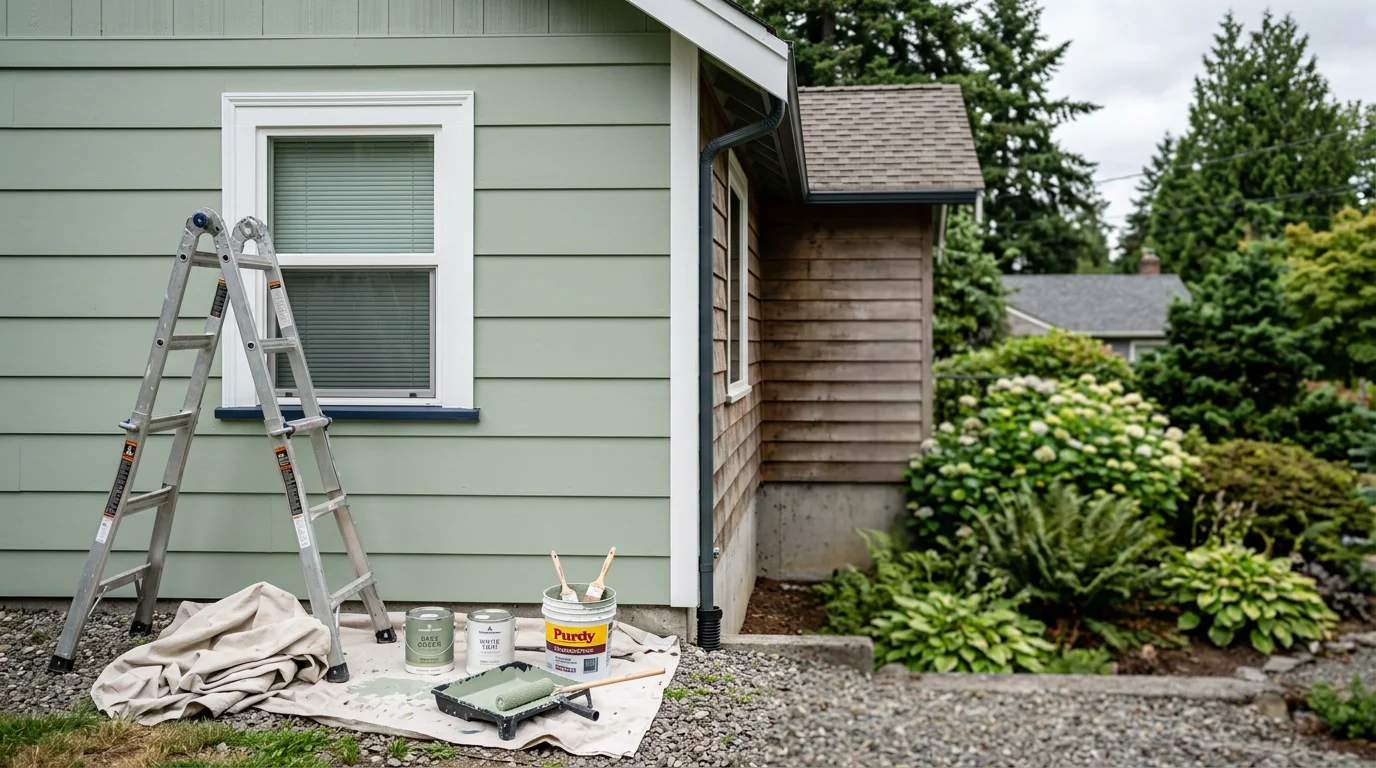
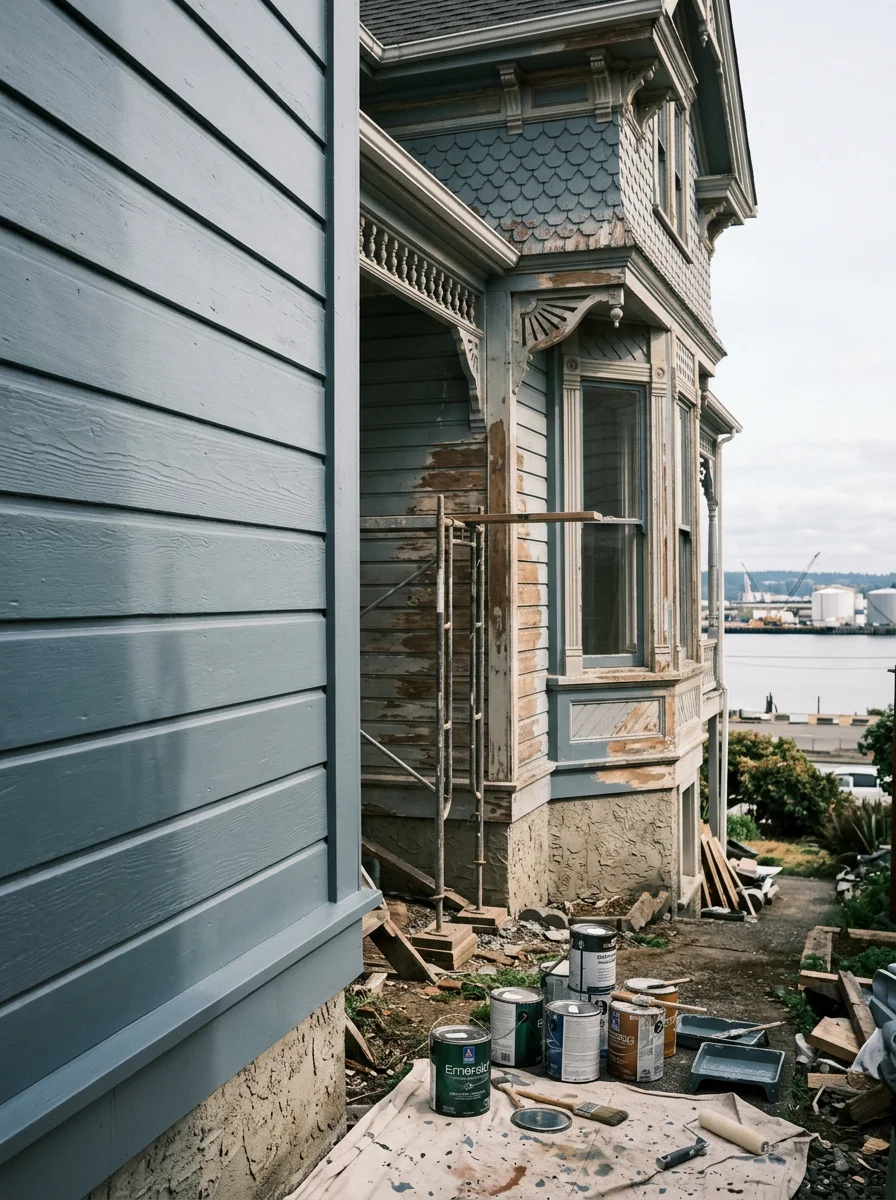
Painting in North Everett's Rucker Hill and historic districts requires specific attention to the Craftsman and Victorian-era homes with original wood siding and detailed trim. These surfaces have absorbed decades of moisture cycles, and prep work on older wood is more involved than on newer construction. Cleaning, spot repairs to any rotted wood, re-caulking, and priming are all necessary steps before any topcoat is applied, and skipping them is the most common reason exterior paint fails quickly on these historic properties.
At a glance
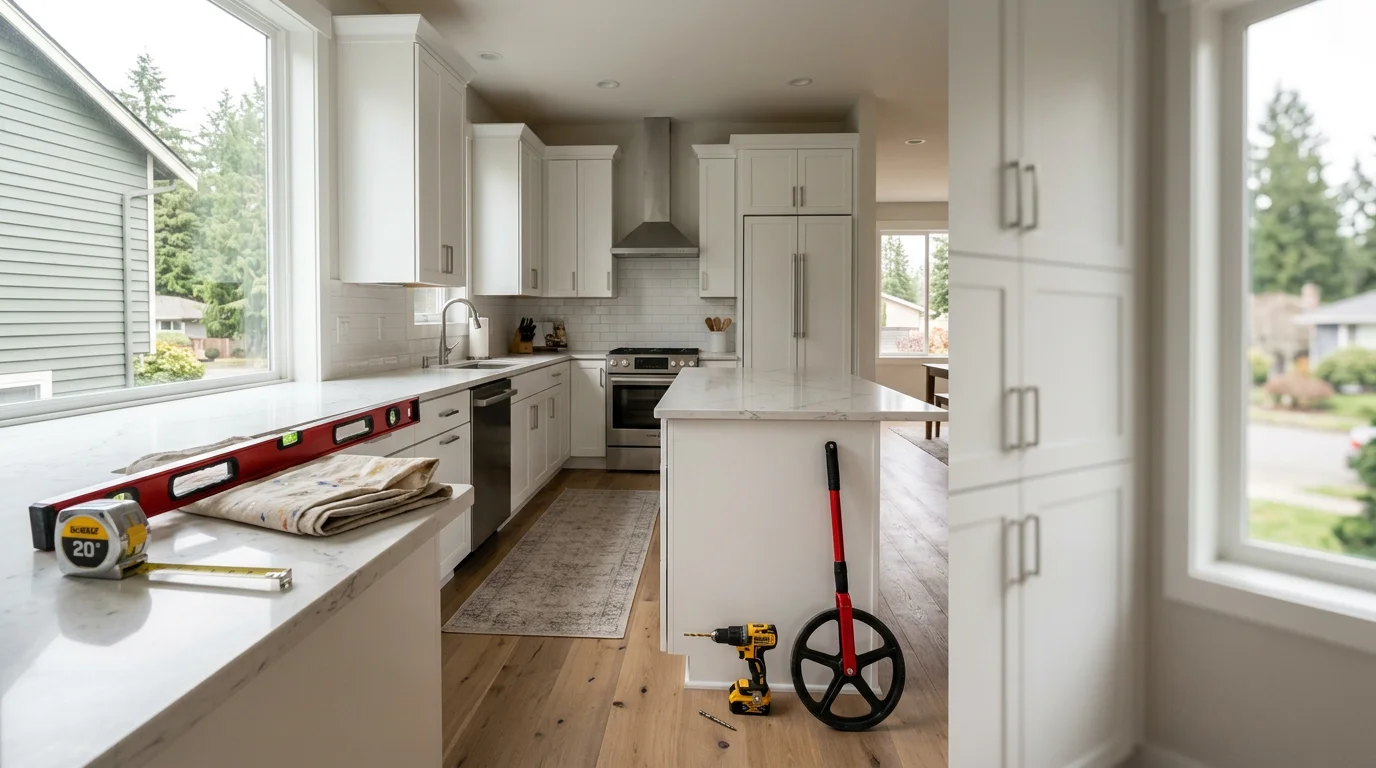
Roofing is the highest-demand service in Everett because the city's broad range of housing ages, from early 1900s homes in Bayside to 1990s builds in Silver Lake, means properties across every neighborhood are at different stages of the roofing lifecycle. Painting is in strong demand in North Everett and Rucker Hill, where Victorian and Craftsman-era homes with original wood siding and intricate trim require careful prep and moisture-resistant coatings to hold up against the waterfront climate. Remodeling is active across Everett's older housing stock, where kitchens, bathrooms, and interior spaces in mid-century and postwar homes are being updated by homeowners bringing properties up to current standards.
Professional roofing services for residential homes throughout the Seattle area.
Home remodeling and renovation services for kitchens, bathrooms, and more.
General handyman and repair services for homes throughout the Seattle area.
Serving Everett, WA
Our crew knows Everett, WA. We will show up on time, assess the job honestly, and give you a clear written number before asking you to decide anything.
Also serving across Greater Seattle:
Common questions from Everett, WA customers about our services, process, and coverage.
Salt air, elevated humidity, and direct exposure to Puget Sound accelerate deterioration of roofing materials, flashing, and exterior components on homes near Port Gardner Bay and the Everett waterfront. Flashing corrodes faster in salt air than on inland properties, and shingle granule loss is more pronounced on roofs with direct wind exposure from the bay. Properties in Bayside and Port Gardner benefit from roofing materials and flashing details selected with that coastal exposure in mind.
Early 1900s homes in Bayside and Rucker Hill typically have steep pitches, complex valley work, and original wood construction that requires careful handling during roofing and painting. On the roofing side, tear-off on these homes often reveals decking conditions and structural details that differ from modern construction and need to be assessed before new materials are installed. On the painting side, original wood siding and trim have absorbed decades of moisture and may have multiple layers of old paint that need to be evaluated before new coatings are applied.
Craftsman and Victorian-era homes in Rucker Hill and North Everett have original wood siding and detailed trim that require more prep than newer construction. Cleaning to remove mildew and organic growth, spot repairs to any rotted wood, re-caulking around windows and trim, and priming bare wood are all necessary steps before any topcoat is applied. The marine air from Port Gardner Bay compounds moisture exposure on these properties, making thorough prep the most important factor in how long the finished paint holds up.
Homes in Silver Lake and South Everett from the 1960s through 1980s are at or past the standard 20-to-30-year replacement window for composition shingles. First-time replacements on homes this age commonly reveal minor decking issues and outdated ventilation that should be addressed during the reroof rather than deferred. An inspection that examines the actual condition of the shingles, flashing, and decking is the right starting point for determining whether repair or full replacement makes sense.
Call us directly. Real answers, no scripts.
Stop by, call, or book online — we're always nearby when you need us.
Phone
(206) 592-7468Hours